
Zonta Says NO to Violence Against Women
“Violence against women is one of Finland’s biggest human rights problems.”
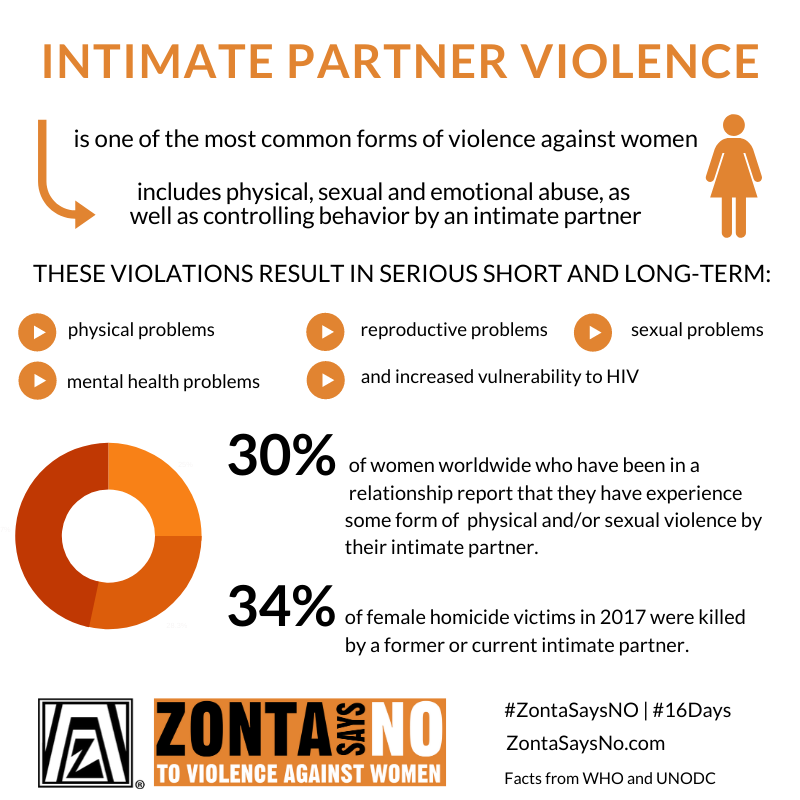
Violence against women and girls is a global human rights violation. For 100 years, Zonta International has been working towards a world where no woman lives in fear of violence. In Finland, women experience the second highest rate of intimate partner violence among EU countries. Almost a third of women in relationships have experienced violence from their current or former partner.
That is why, every year during the UN Orange Days from 25 November to 10 December, Zonta members carry out Zonta Says NO campaigns against violence against women throughout the Zonta world, often in collaboration with other like-minded organisations and entities. Orange is the colour of hope and symbolises hope for a future where everyone has the right to live without violence. During the days, there will be parades, exhibitions, buildings and landmarks lit up in orange, statues dressed in orange, and more.
Through the campaign, Zontas
- raise awareness and disseminate information about violence against women and the situation around the world – this serious phenomenon must not be ignored
- influence attitudes and encourage people to take action to end violence
- encourage women to speak out and seek help in good time
- inform victims and perpetrators about the support and services available
In addition to campaigning, Zonta has implemented numerous local service projects and we work globally in cooperation with the UN and its agencies. The Council of Europe Convention on preventing and combating violence against women and domestic violence, known as the Istanbul Convention, came into force in Finland in 2015.
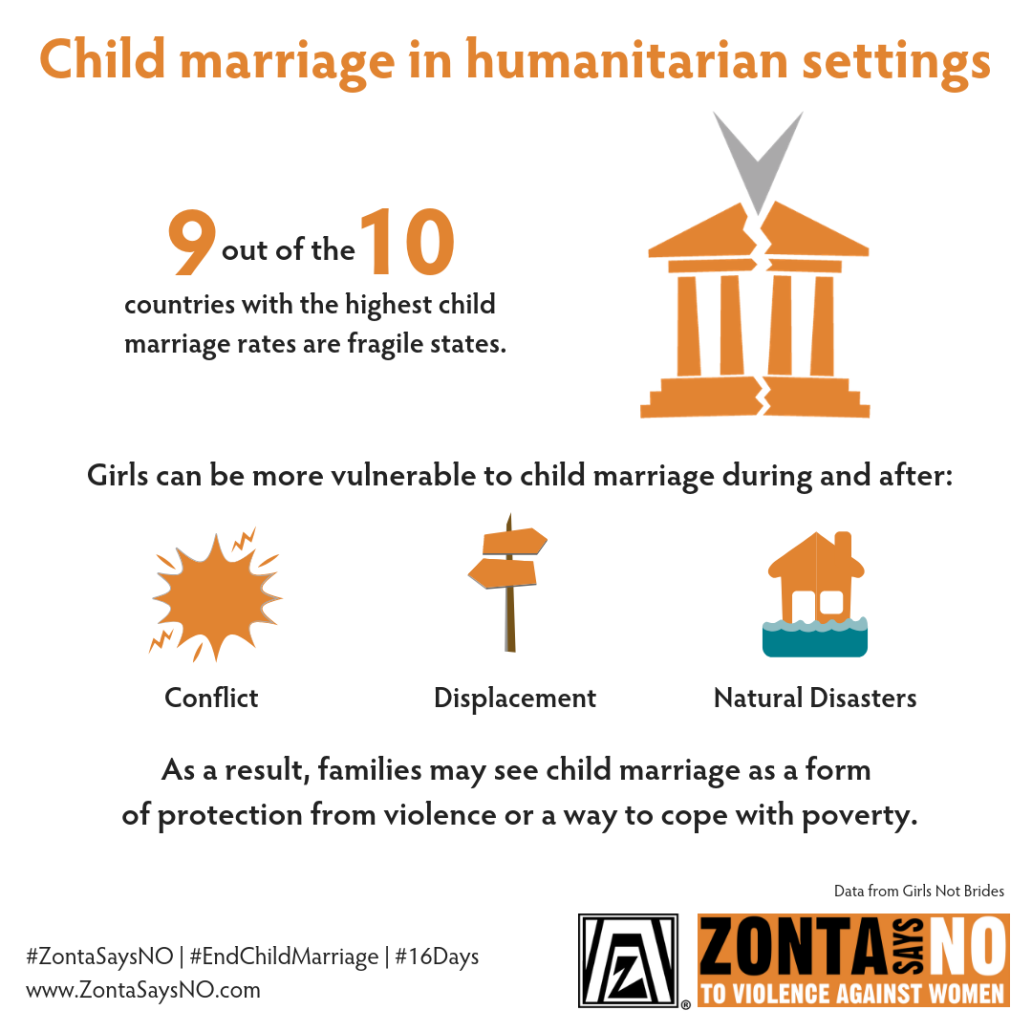
 Violence against women can be physical, psychological or sexual. It can take the form of intimate partner and domestic violence, such as psychological subjugation, rape in a relationship, beating and assault, or sexual harassment, sexual abuse of children, forced marriage, harassment or stalking in digital media. It can also be subjugation and sexual abuse related to human trafficking, female genital mutilation, child marriage or other so-called honour-related violence.
1. DOMESTIC VIOLENCE
In Finland, women experience the second highest rate of domestic violence among EU countries. Nearly one in three women in a relationship have experienced violence from their current or former partner.
Do not turn a blind eye; violence is not a private matter. Recognise the signs of domestic violence and offer your help. By discussing your concerns with someone close to you, you can play a significant role in breaking the cycle of violence. If you don’t know how to bring up the subject, you can find instructions here: Support a loved one | Women’s Helpline
In an acute situation of violence, always call 112.
2. CHILD MARRIAGES
Material related to child marriage for members of the Zonta organisation can be found here: Children have the right to a childhood! Download the poster in Swedish here
Convention on the Rights of the Child (Finlex)
UNICEFin pages on child marriage (in English)
3. HUMAN TRAFFICKING
Human trafficking for sexual exploitation is also a form of violence against women. Finland is bound by numerous international agreements and obligations related to combating human trafficking, such as the EU Directive on combating human trafficking, the Additional Protocol to the UN Convention against Transnational Organised Crime and the Council of Europe Convention on Action against Trafficking in Human Beings.
Material related to human trafficking for Zonta members can be found here: Human trafficking is modern-day slavery
Human Trafficking Convention (Finlex)
A strong NO to violence against women
Read Kristiina Sihvonen’s 2021 blog on the subject here!
Read Taina Junttila’s 2023 blog on the subject here
A silent secret – more attention to dating violence experienced by young people
Young people need to know that violence has no place in relationships
Statement 12 October 2024
Digital violence is a significant form of intimate partner violence to which girls and women are extremely vulnerable
Statement 8 October 2023